
Energy

Heat and Light Ltd
Heat and Light Ltd is commercialising research associated with Dr Sam Lowrey's work at Otago University. The current focus is on improved dehumidifiers, heat pump clothes driers and heat exchangers.
If you have a problem in any of these areas, please contact Heat and Light.
Simon Arnold is a director, and Arnold and Woodhall Ltd a shareholder.
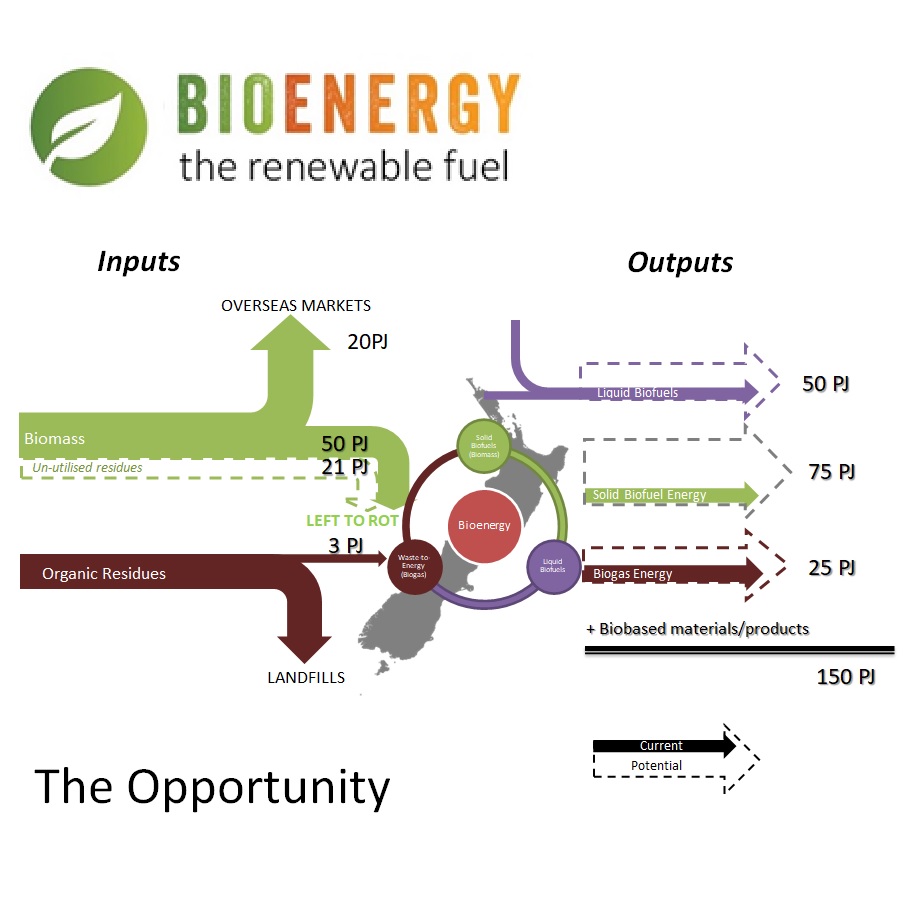
Bioenergy
Long-haul transport accounts for around a third of New Zealand's energy GHGs emissions. The best solution for land is uncertain with the options being better batteries and charging, clean gases (e.g. hydrogen), and biofuels. But heavy marine and long-haul air will require drop-in fuels for the medium-term, limiting the options to biofuels or synthetic fuels.
BANZ liquid biofuels interest group is working to reduce the uncertainty in fuels for long-haul land transport, and to lower the cost and increase the supply of biofuels for heavy marine and long-haul aviation.
Simon Arnold has just step down from being the convener for the group.
A major issue for liquid biofuels is that the relatively low energy density of typical feedstocks means that its production needs significant scale to be economic, with all the attendant risks. The early opportunities therefore sit with feedstocks and processes that deliver significant co-benefits alongside a fuel.
A promising prospect is hydrothermal liquefaction (HTL) of sewage sludge and food wastes. HTL of wet wastes involves increasing the temperature and pressure of the water so it reaches close to its supercritical state where it acts as a solvent of the organic material. In the process it significantly densifies the sludge, sterilising it, and reducing the levels of contamination - PFAS, pharma, microplastics, all in a small footprint
It also produces a good quality relatively low cost biocrude, taking account of the treatment costs avoided
arnold.co.nz is currently investigating this opportunity.
We work with Dr Arjan Abeynaike at Otago University on these developments.